Ask most practice managers where the money leaks out of the business, and they won’t say insurance. They’ll say patients.
Not because patients don’t want to pay. Because by the time a balance is finally known, the patient is long gone — out the door, back at work, three weeks removed from the visit — and the practice is left mailing statements into the void. Every cycle costs postage, staff time, and follow-up calls. And the older the balance gets, the less likely it is to ever land in the bank account.
Retail doesn’t have this problem. A coffee shop knows the price, collects the price, and moves on. A medical or dental office often doesn’t know the final number at the moment of service, which means the payment conversation gets deferred — and deferred payments are the ones that go bad.
That’s the gap this post is about. Most of the conversation around payment processing for medical offices stops at “we take cards.” The real opportunity is in the workflow around the card: when you ask, how you store consent, how you break a big treatment plan into payments people can actually make, and how much of your revenue the processor keeps on the way through.
Here’s how to fix all four.
Why healthcare payments are harder than retail payments
Before the tactics, it’s worth naming exactly what makes this vertical different. Every recommendation below exists because of one of these five realities.
1. The amount is unknown at the time of service. Copay is knowable. Coinsurance, deductible balance, non-covered services, and downgrades are not — not until the claim comes back. So the front desk collects a fraction of what’s owed and hopes the rest arrives later.
2. There’s a lag of weeks between service and final balance. Claim submission, adjudication, EOB, patient statement. By the time the patient sees a number, the emotional connection to the service has faded and the bill feels like an ambush.
3. Tickets are large — sometimes very large. A cleaning is one thing. A crown, an implant case, orthodontics, an elective procedure, or a med spa package can run into four or five figures. Large balances are exactly the ones patients can’t pay in a lump sum, and exactly the ones that cost you the most in processing fees when they do.
4. Patients dispute more than retail customers do. Not out of malice. Healthcare billing is genuinely confusing, and a charge that appears on a statement two months after a visit — with a description the patient doesn’t recognize — is a chargeback waiting to happen.
5. You’re operating under compliance rules retail doesn’t have. HIPAA sits on top of the usual PCI obligations. That doesn’t make card payments complicated, but it does change how you store card data, what you print on receipts, and which vendor agreements you need on file.
Every one of those points to the same conclusion: get the payment relationship established while the patient is still in front of you. Not necessarily the full payment. The relationship — the authorization, the plan, the card on file, the agreed terms.
Fix #1: Make the front desk a collection point, not a scheduling desk
Most practices already collect copays. Very few have a scripted, consistent process for everything else. The difference between a practice that collects 40% of patient responsibility at the time of service and one that collects 85% is almost never the software. It’s the workflow.
A front-desk workflow that works looks like this:
- Verify and estimate before the visit. Run eligibility ahead of the appointment so the front desk knows the deductible status and can quote a realistic patient-responsibility estimate at check-in. “Your estimated portion today is $180” is a collectible sentence. “We’ll bill you” is not.
- Ask at check-in, not check-out. At check-out the patient is halfway to the door, holding a treatment plan and thinking about their afternoon. At check-in they’re seated, unhurried, and expecting an administrative step.
- Take the card once and use it twice. Collect the estimate today, and get authorization to charge the balance after insurance settles. More on this in the next section — it’s the single highest-leverage change most practices can make.
- Pay at the chair or in the room. A handheld terminal means the clinician or hygienist can close out the visit where the treatment conversation just happened, instead of handing the patient off to a queue at the front desk. In dental and med spa settings especially, this converts far better — the “yes” happens while the patient is still in the moment.
- Give the patient one clear next step. A receipt by text or email, with a link to pay any remaining balance, beats a paper statement mailed three weeks later every single time.
None of this requires new staff. It requires deciding that collection is part of the visit, and giving the front desk the tools to do it in fifteen seconds instead of five minutes.
Fix #2: Card on file with proper consent — the highest-ROI change in the practice
This is the mechanism that solves the “unknown balance” problem, and it’s standard practice in every high-performing office I’ve seen.
The concept is simple: at check-in, the patient signs a short payment authorization agreement and the practice stores a token representing their card. When the claim adjudicates and the patient’s true responsibility is known, the practice charges the remaining balance to that card and sends a receipt.
Three details make the difference between this working smoothly and it generating complaints:
Store a token, not a card number. Never write card numbers on a form, never keep them in a drawer, never type them into a patient’s chart notes. A modern terminal or gateway replaces the card number with a token — a meaningless string that only your processor can convert back into a charge. This keeps you out of the worst of PCI scope and eliminates the “we found a folder of card numbers” nightmare.
Set a ceiling and disclose it. The authorization form should state a maximum auto-charge amount (for example, “we will charge up to $250 of your post-insurance balance automatically; anything above that, we’ll call you first”). This one line prevents most disputes. Patients don’t object to being charged what they owe; they object to being surprised.
Notify before you charge, not after. An email or text a day or two before the charge — “your insurance processed; your remaining balance is $137 and will be charged Friday to the card ending 4417” — turns a potential chargeback into a non-event. It costs nothing and it’s the cheapest chargeback insurance available.
Practices that implement card-on-file properly typically stop mailing the majority of their statements. That’s postage, printing, and staff hours recovered on top of the collection lift.
Fix #3: Payment plans that don’t put your money at risk
Large treatment cases stall for one reason: the patient can’t write a $4,800 check. When your only options are “pay in full” or “apply for third-party financing and get declined,” a lot of clinically necessary treatment simply doesn’t happen.
There are three ways to bridge that gap, and most practices should have more than one available.
In-house recurring billing. You break the balance into scheduled charges — $400 a month for twelve months — against the card or bank account on file. You keep the full patient relationship, there’s no third party taking a cut, and approval is instant because you’re the one approving it. The trade-off is that you carry the credit risk: if the card expires or the patient’s account is empty, you’re chasing it.
Third-party patient financing. The lender pays you up front and takes on the collection risk. You get funded quickly and cleanly, but you pay a merchant discount for the privilege — often a meaningful percentage of the case — and some patients won’t qualify.
A hybrid. A meaningful deposit at the time of service (which covers your hard costs, especially lab fees), with the remainder on an in-house plan. This is where most practices land, because it caps the downside without pushing patients away.
If you run plans in-house, build in these safeguards:
- Take a real deposit up front — enough to cover lab and material costs on the case.
- Use account updater services so an expiring or reissued card doesn’t silently break the plan. This is one of the most common and most avoidable causes of failed recurring payments.
- Set automatic retry logic for declines, and have a human follow up after the second failure rather than the fifth.
- Put the payment schedule in writing, signed, with the exact dates and amounts. Ambiguity is what turns a payment plan into a collections problem.
- Consider offering a small discount for paying the case in full — it costs you less than twelve months of collection risk.
For membership-style practices — dental membership plans, concierge medicine, med spa packages, ongoing aesthetic or wellness programs — the same recurring-billing engine runs your subscription revenue. That’s some of the most valuable revenue in the practice: predictable, prepaid, and it drives retention. If you’re running memberships off a spreadsheet and manual charges, automating it is usually worth a few hours of setup within the first month.
Fix #4: Professional invoicing and remote payment
Not every dollar gets collected in the building. For everything that doesn’t, the goal is to make paying easier than not paying.
Text-to-pay and email invoices. A short link sent to the patient’s phone, opening to a clean, branded payment page. Response rates on these are dramatically better than mailed statements, largely because the friction is near zero — no envelope, no check, no stamp, no login.
A virtual terminal for phone payments. When a patient calls to settle a balance, the front desk should be able to key the payment in on the spot. What they should not do is write the number on a sticky note to “run later.” Key-entered transactions do cost slightly more than swiped or tapped ones, but they cost less than never collecting.
Invoices that look like your practice. Your logo, your practice name, a clear service description, the date of service, and a plainly worded balance. The single biggest driver of healthcare payment disputes is a patient not recognizing what they’re being charged for. A vague descriptor on a statement or credit card line is an invitation to call the card issuer instead of calling you.
A payment portal that doesn’t require an account. Every extra step between the patient and the “pay” button loses you a percentage of collections. If they have to create a login and remember a password, a portion of them simply won’t.
Fix #5: Stop giving away 3% of every large case
Here’s the part most practices never examine. Take a practice collecting $80,000 a month in patient payments on cards. At typical effective rates, processing costs $2,000–$2,800 a month — $24,000 to $34,000 a year, gone, on money you already earned. On large treatment cases the math is even less comfortable: a $6,000 implant case can carry $180 in processing fees.
There are two well-established programs that eliminate most of that cost, and both are worth understanding properly before you choose one.
Surcharging passes a fee (commonly 3%) to the patient on credit card transactions. The system detects the card type automatically and only applies the surcharge where it’s permitted.
Cash discount / dual pricing lists a slightly higher price and gives a discount for paying by cash or check. Everyone paying by card pays the listed price, regardless of card type.
For medical and dental offices specifically, there are four things you must get right:
- You cannot surcharge debit cards. Ever — not regulated debit, not non-regulated, not prepaid. This matters more in healthcare than almost anywhere else, because a large share of patient payments come in on HSA and FSA cards, which run as debit. A surcharge program that isn’t correctly configured to detect and exempt those cards is a card-brand violation waiting to happen. Any practice with heavy HSA/FSA volume should look hard at cash discount instead, since it applies uniformly.
- State law varies, and it changes. A small number of states still restrict or regulate surcharging, and the rules have shifted repeatedly over the past few years. If you operate in multiple states, or you’re near a border, this needs to be checked against current law before you switch anything on — not assumed.
- Disclosure is not optional. Signage at the front desk and at the point of payment, plus the surcharge shown as a separate line item on the receipt. This is a card-brand requirement, and it’s also just good practice — patients who are told up front rarely object; patients who discover it on a receipt do.
- Check your payer contracts. Some insurer and network agreements contain language about what may be charged to patients. This is worth a five-minute read before you implement, and worth a call to your attorney if the language is ambiguous.
Done correctly, either program takes processing costs close to zero for the practice, while remaining fully compliant. Done carelessly — surcharging debit, no signage, no receipt line — it invites fines and unhappy patients. The setup matters more than the concept.
Compliance: PCI, HIPAA, and keeping payments boring
A quick, practical checklist. None of this is difficult, but skipping it is expensive.
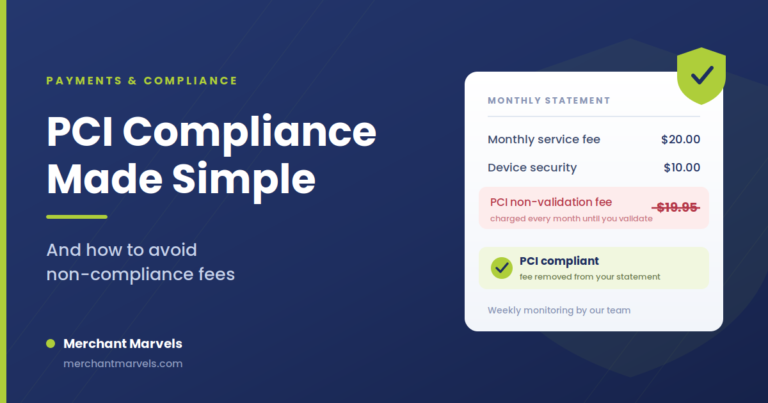
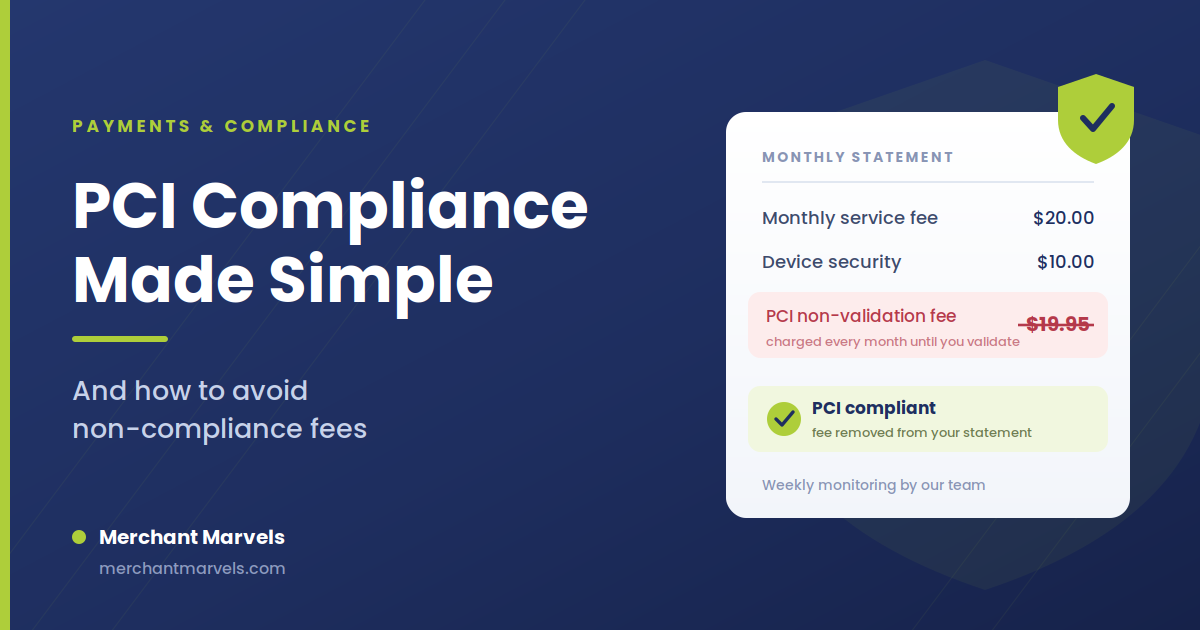
- PCI compliance. Every merchant has to attest to it, and there’s typically a monthly non-compliance fee if you don’t complete the questionnaire within the grace period. It’s usually a short self-assessment. Put it on someone’s calendar in week one.
- Tokenization over storage. Say it again: the practice should never hold raw card numbers, in any system, on any form, in any drawer.
- Separate payment data from clinical data. A payment processor that only ever sees a name, an amount, and a card token generally isn’t handling protected health information. The moment your receipts, invoice descriptions, or transaction notes start carrying diagnosis or treatment detail, you’ve created a HIPAA question you didn’t need. Keep invoice line items generic — “professional services, 8/24” — and if any vendor genuinely does touch PHI, get a Business Associate Agreement in place before you go live.
- Receipt hygiene. No procedure codes, no diagnoses, no clinical detail on anything the patient carries out of the office or that prints at a shared counter.
- Chargeback discipline. Keep the signed authorization, the estimate, the treatment plan, and the notification you sent before charging. With those four documents, most healthcare disputes are winnable. Without them, most aren’t. Representment deadlines are short — usually around 30 days — so someone needs to own the process.
What a good setup actually looks like
For a typical two-to-six-operatory dental practice or small-to-mid medical office:
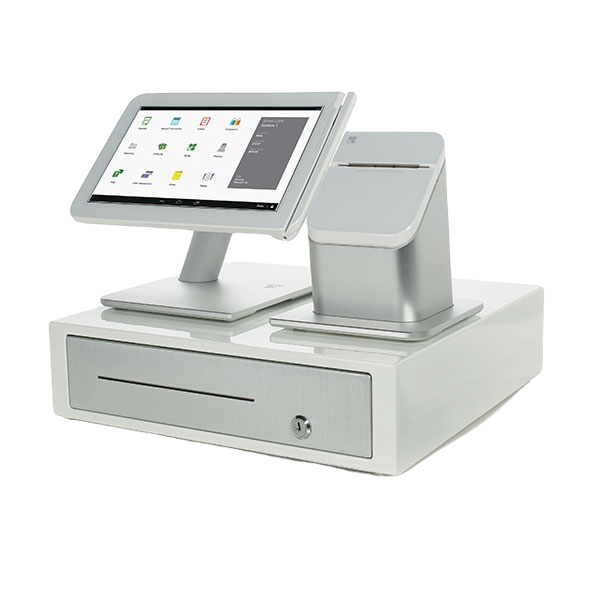
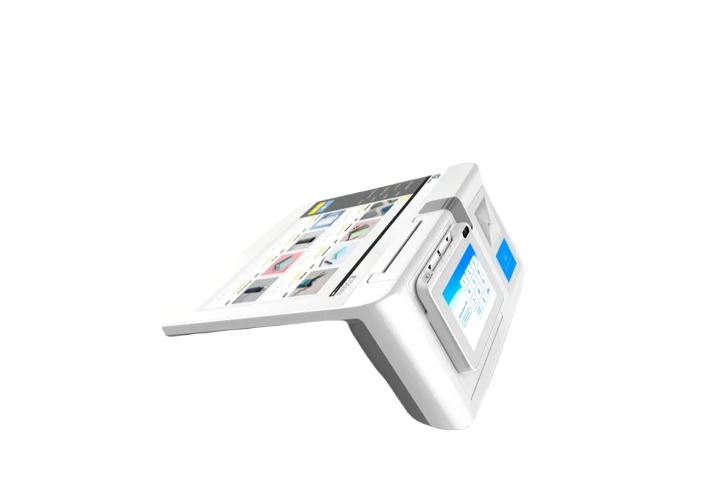
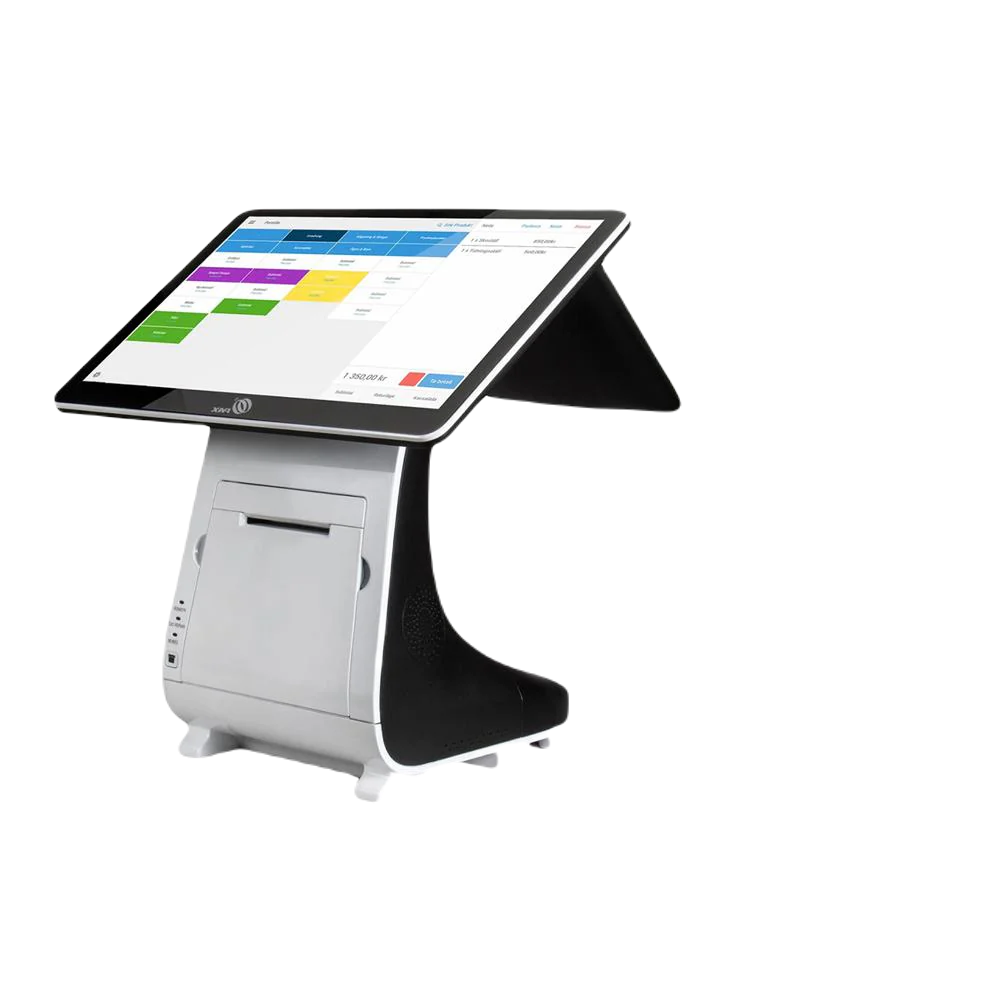
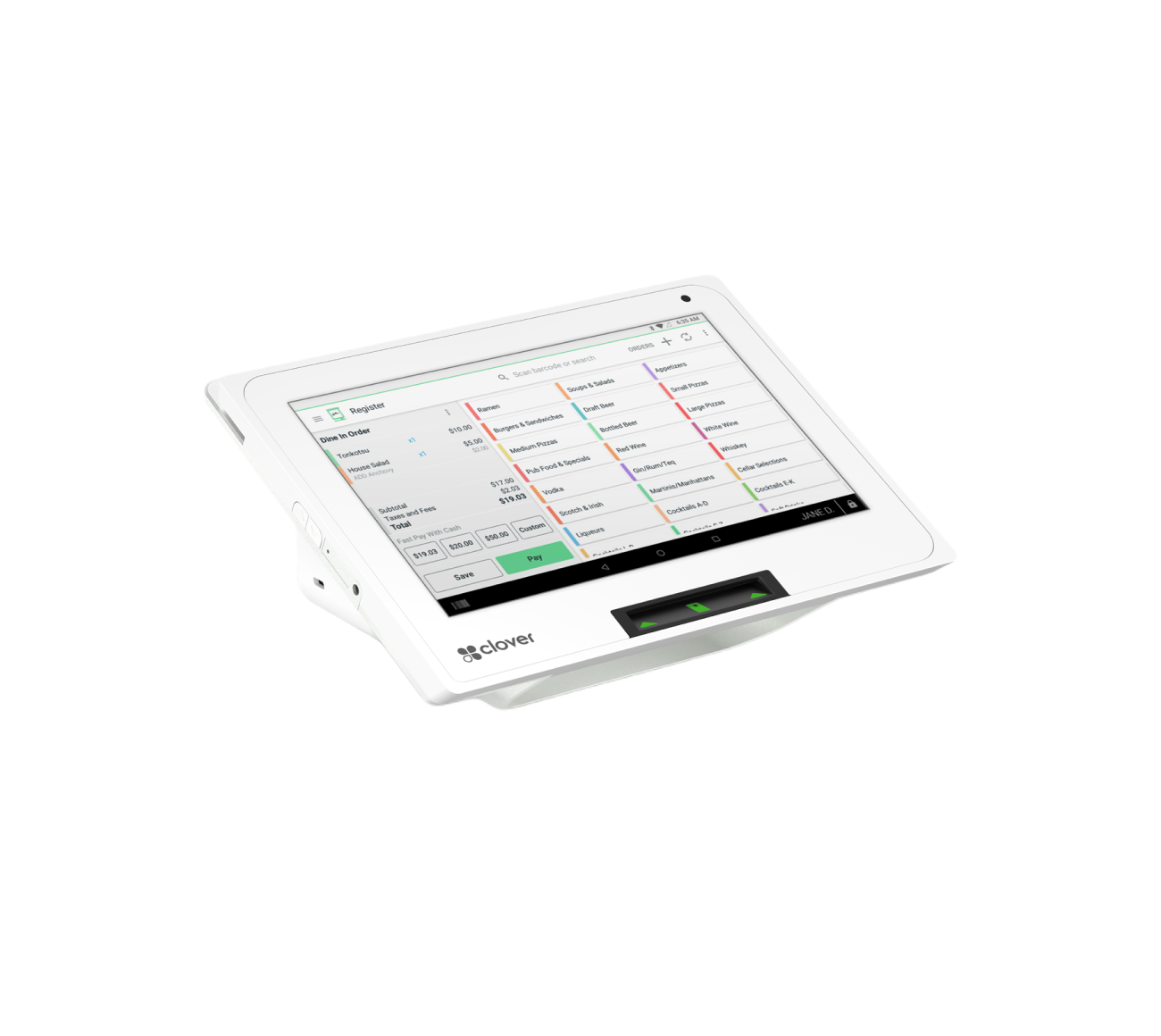
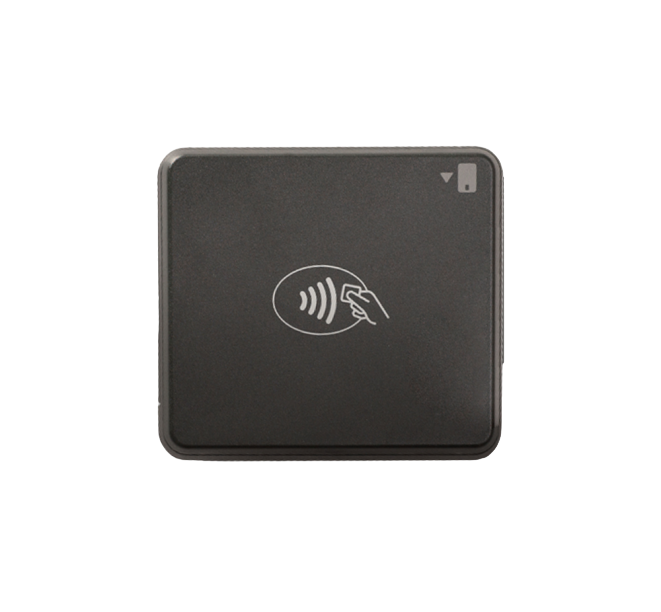
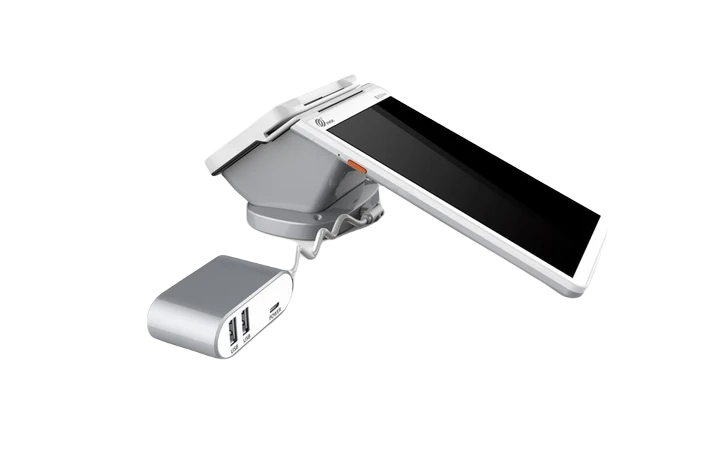
- A full countertop station at the front desk — check-in, check-out, receipts, end-of-day reporting, and a proper cash drawer.
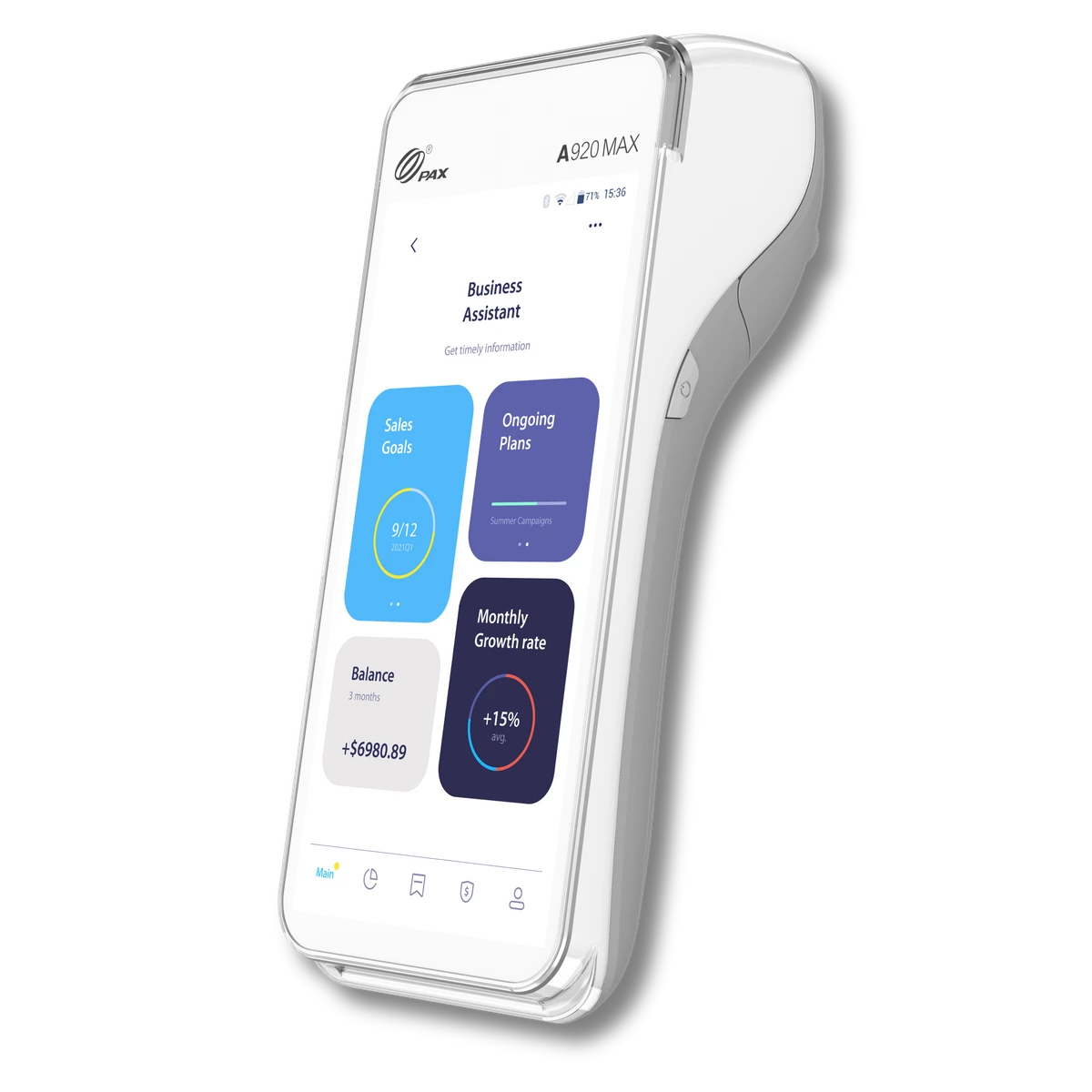
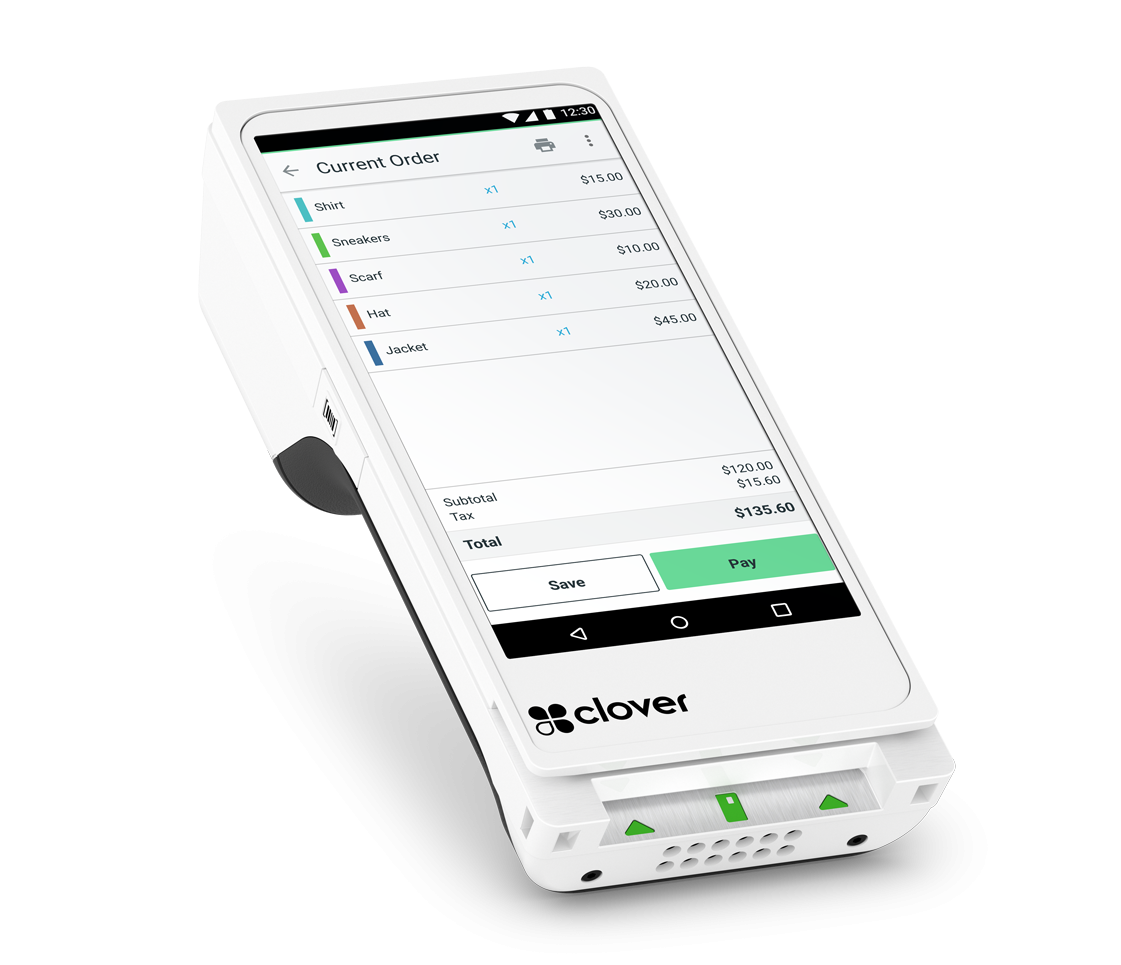
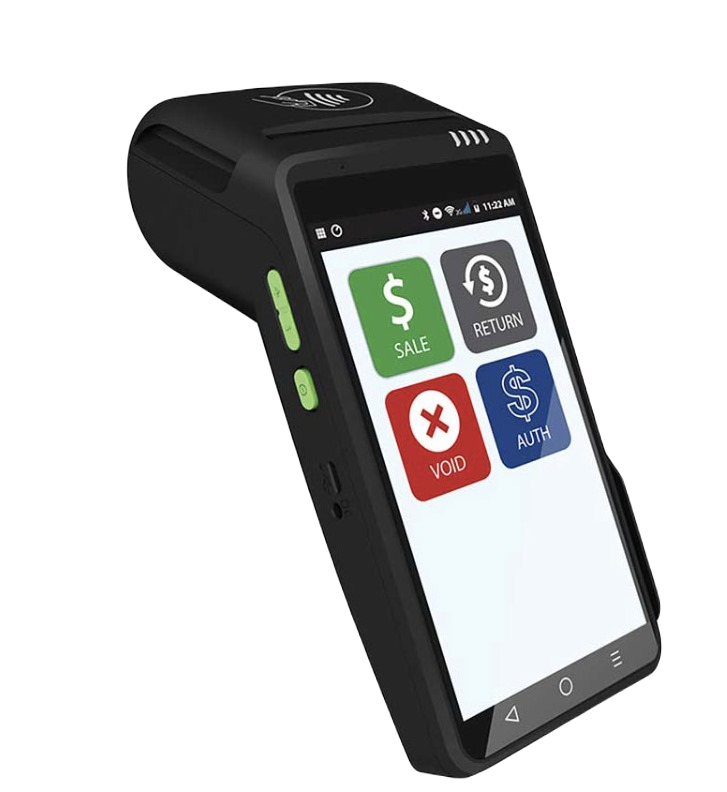
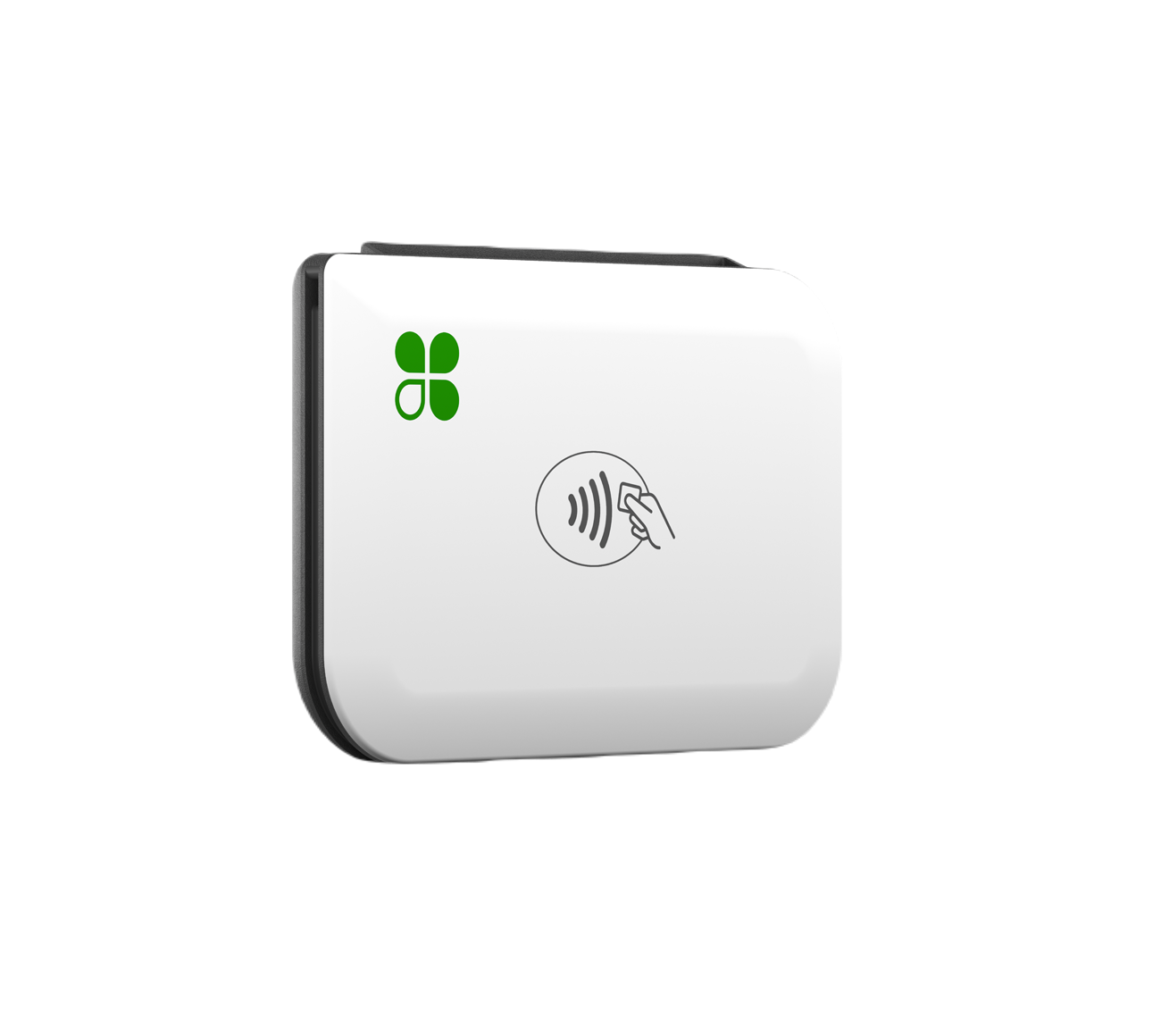
- One or two handheld terminals for chairside and treatment-room payments, so the payment happens where the conversation happens.
- Card-on-file tokenization with signed authorization forms built into your intake packet.
- Recurring billing for treatment plans and membership programs, with account updater enabled.
- Text-to-pay and email invoicing for post-insurance balances.
- A virtual terminal for phone payments.
- A surcharge or cash discount program, configured correctly for your state and your HSA/FSA mix.
At Merchant Marvels, we place the equipment at no upfront cost — no purchase, no lease, no long-term lock-in, and no cancellation charge (the hardware stays ours and comes back to us if you ever leave). Combined with a properly configured cash discount or surcharge program, most practices end up paying close to nothing in processing costs on the patient payments they’re already collecting.
A 30-day rollout
You don’t have to change everything at once. In order of return:
Week 1 — Baseline. Pull three months of statements and calculate your true effective rate: total fees divided by total volume. Count how many statements you mail per month, and what percentage of patient responsibility you collect at the time of service. You need the “before” number to know whether any of this worked.
Week 2 — Front desk. Write the collection script. Train check-in on quoting estimates. Add the payment authorization form to your intake packet.
Week 3 — Card on file and plans. Set up tokenization, define your auto-charge ceiling and notification policy, and build one standard payment-plan template for large cases.
Week 4 — Cost structure. Choose surcharge or cash discount based on your state and your HSA/FSA mix, get the signage up, brief the staff on how to answer the one question patients will ask, and go live.
Re-measure at 90 days. In most practices, the collection-rate change alone outweighs the fee savings — and the fee savings are usually five figures a year.
The short version
Patient responsibility is now a meaningful share of practice revenue, and it’s the hardest share to collect. The practices that do it well aren’t chasing harder — they’re collecting earlier, storing consent properly, offering payment plans that patients can actually complete, and refusing to hand three percent of every large case to a processor.
Simplify how your practice gets paid — let’s talk.